A cleaner way
into your
business.
Cut the searching. Keep the next step clear.
Digital Doors built around what customers actually came to do — book, call, order, ask, visit, or get a quote — without forcing them through a desktop-sized experience on their phone.
Different Businesses.
Different Ways In.
Each Door is built around the business behind it. The entrance, customer paths, visual language, and full-site handoff change with what those customers actually need.
Rivermore Real Estate
About this build
A warm editorial system for buyers, sellers, neighborhood discovery, listings, and live market updates.
Lumina Dental Studio
About this build
A calm patient-first Door for appointments, treatment discovery, returning patients, insurance questions, and forms.
Atelier House
About this build
An editorial Door built around portfolio discovery, style direction, project fit, and current-client access.
Northline Roofing Co.
About this build
Inspection, storm response, replacement, and current-customer support organized around urgency and fast decisions.
Frederick Legacy Law
About this build
A restrained professional Door built around planning, estate handling, family legacy questions, and urgent matters.
Northflow HVAC
About this build
A motion-led comfort system built around airflow, urgent service, repairs, replacements, and maintenance.
Hallow & Grace
A calm, respectful Door built around immediate needs, planning, service information, and a gentler way to find the next step.
What do you want them to do next?
Think like your customerA few questions worth asking.+
When was the last time you used your business on mobile?
Do customers keep asking you the same thing?
What do you want them to do next?
Start where the problem is.
The Digital Door is the core entry product. Deeper site work gets scoped only when the business behind it actually needs more.
Signal Check
We walk a customer path together to see where people get stuck and what actually needs handling before you pay for a build.
Digital Door
A customer-facing Door, guided paths, an Owner Key for Apple Wallet or Google Wallet, the QR asset, and one programmed physical NFC card.
Connect the Dots
Digital Door plus Mobile Optimization, current-information updates, visual modernization, and connections to the tools the business already uses.
Need enhancement?Live System+
For information that changes often, connect an existing tool or include a simple owner-controlled update option at handoff.
More businesses. Different customer paths.+
A Door fits the business it is built for.
Open an example to see how different customers can be routed without repeating one template across every industry.
Realtor + Property TeamSee path ↓
A clean entry point can separate active listings, new leads, and direct contact without losing the personal connection.
HVAC + Home ComfortSee path ↓
Urgent repair customers and planned replacement customers should not have to follow the same route.
Auto Body ShopSee path ↓
Photos and basic vehicle details can reduce back-and-forth before the shop responds.
Tattoo Artist + ShopSee path ↓
For visual businesses, the work itself can appear much earlier because seeing the portfolio helps the customer decide.
Fitness + Community GroupSee path ↓
Recurring groups can keep the next time, place, and update easy to find without answering the same questions every week.
Independent Stylist + BarberSee path ↓
Especially useful for booth renters who need a polished personal entry point without building an entire salon website.
Maker + Custom OrdersSee path ↓
Custom requests can collect the useful details up front so the maker starts the conversation with something to work from.
Restaurant + CateringSee path ↓
Someone planning dinner should not have to take the same route as someone planning a 75-person event.
What the Customer Feels+
Less Searching. Faster Next Steps.
The useful information appears where it belongs.
Less hunting through navigation just to find the next action.
Call, text, book, order, upload, or get directions when it makes sense.
Built for the business and organized at handoff.
How It Works+
From “I Need Help” to Handled.
You tell me what is going on. I ask the rest.
You see the direction before the build gets deep.
You review, we refine, and it keeps moving.
Live, organized, and yours. You leave with the keys.
When things changeDigital Refresh
Updates when your business needs them.
+
Digital Refresh
Updates when your business needs them.
Seasonal updates, new offers, pricing changes, new photos — handled à la carte, whenever you need it.
No mandatory monthly plan. Quick, Seasonal, or Full Refresh — come back only when your business does.
Request a Refresh →New Project InquiryTell Me About Your Business+
Choose the amount you are ready to share. Both forms open on their own page, so this section stays simple.
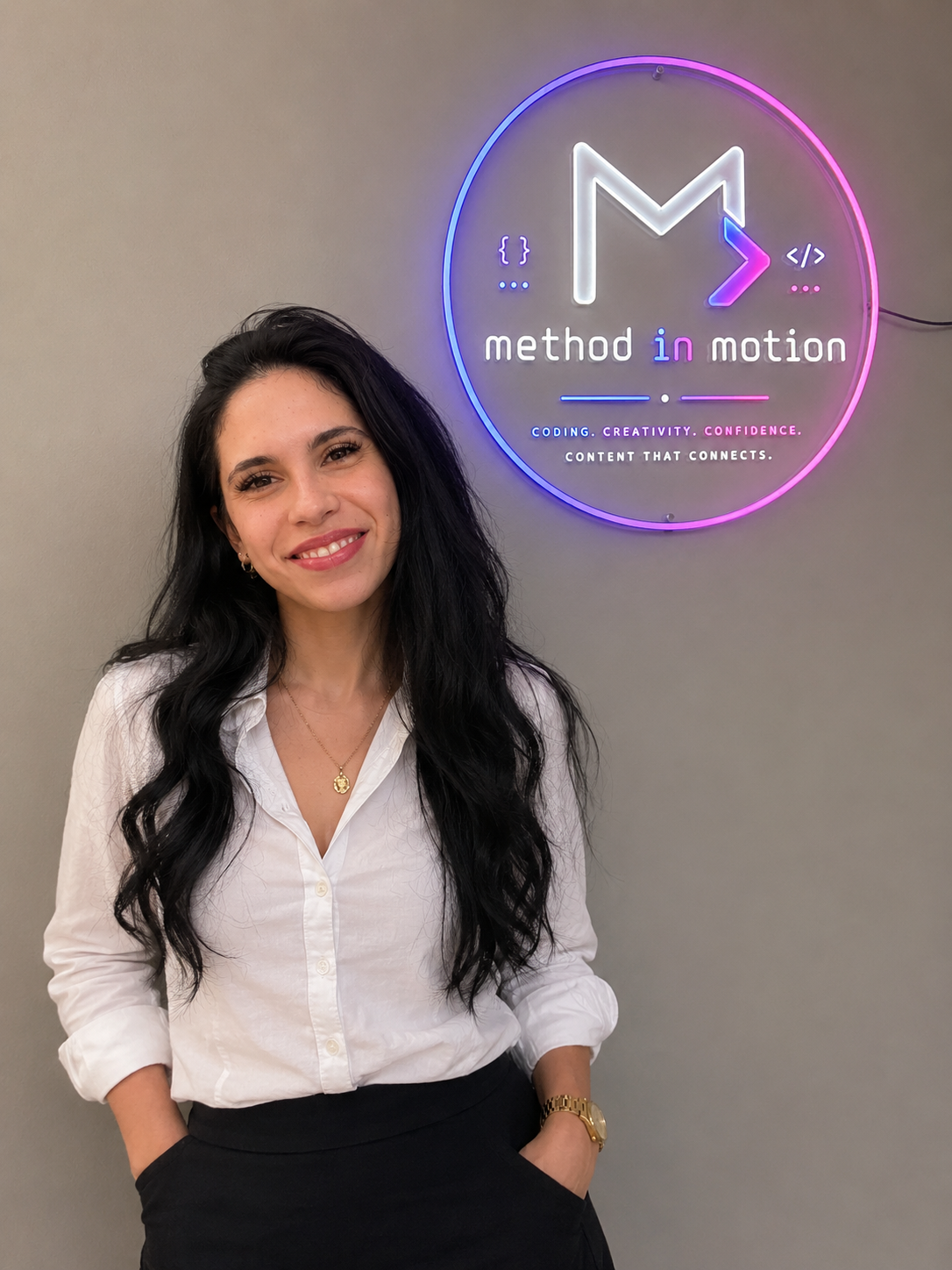
Hey, I’m Nev.
For nearly a decade, I worked across both sides of a small business in downtown Frederick, helping customers at the front while also managing the changing information, repeated questions, daily operations, and behind-the-scenes details that keep everything moving.
While studying Business Management and Forensic Accounting, I gained a stronger understanding of how those moving pieces fit together and where they can start to break down. A Salesforce internship added the technology side of business and opened the path into web development, which gave me a practical way to bring everything I had learned together.
That is where The Digital Side comes from: understanding how the business works first, then building the customer-facing experience and digital systems around the way the brand actually operates.